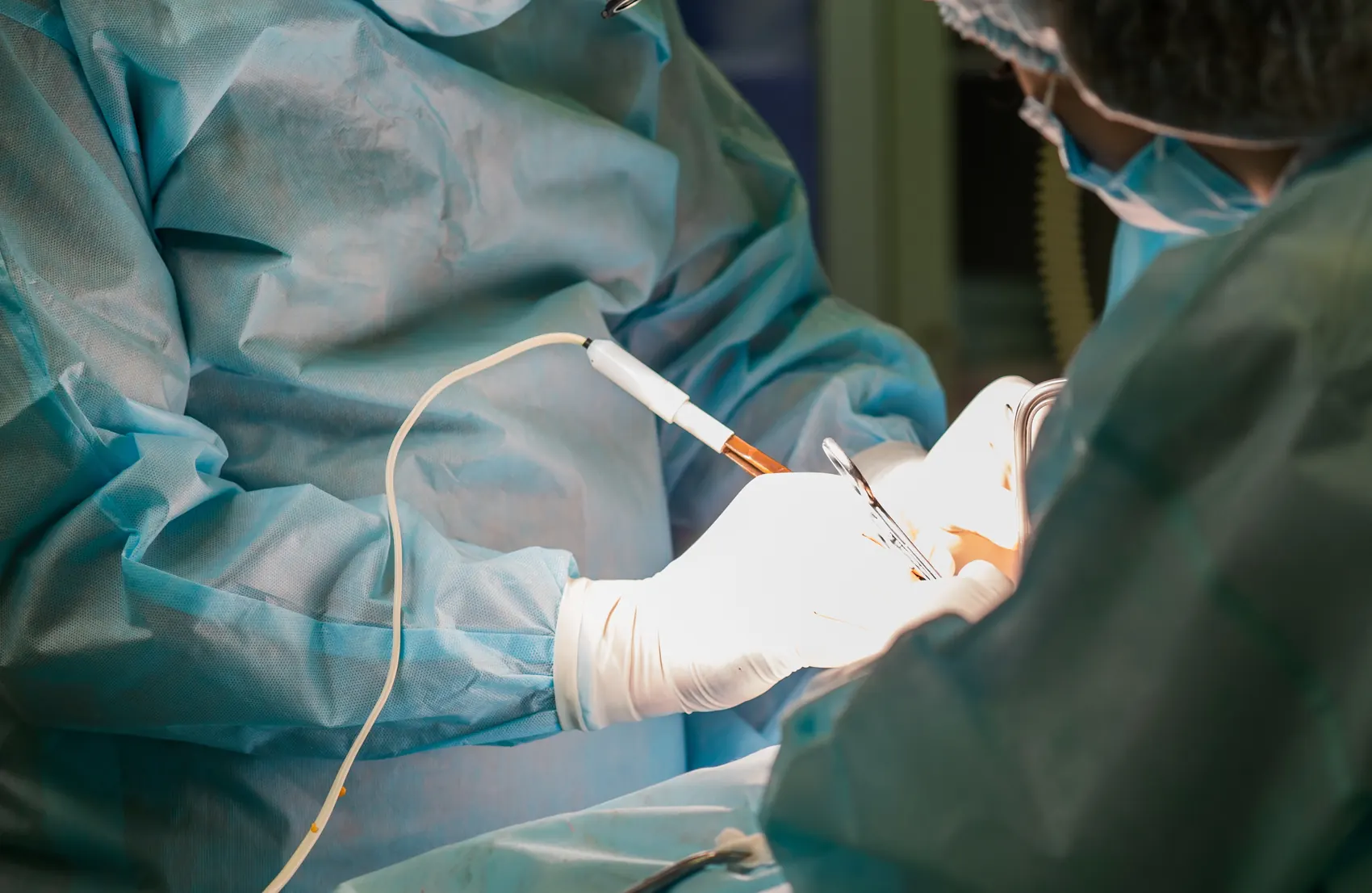
Breast augmentation — also called breast enlargement or augmentation mammoplasty — uses implants to increase breast size, improve shape or restore volume lost through pregnancy, breastfeeding, weight loss or ageing. It is one of the most commonly performed cosmetic operations in the UK and worldwide, and modern implants and techniques give patients more options than ever. This guide walks through the whole process, from the consultation that shapes the result to the long-term considerations of living with implants.
Planning: where the result is really decided
Although the operation itself usually takes only one to two hours, the planning beforehand is what largely determines the outcome. At your consultation, the surgeon assesses your medical history, examines and measures your breasts and chest, and discusses your goals. Together you decide on the implant type and size, the profile, the placement and the incision. A good surgeon educates rather than sells, sets realistic expectations, and offers a cooling-off period before you commit.
The operation
Breast augmentation is almost always performed under general anaesthetic, and is commonly a day case or a single overnight stay. The main steps are:
- Incision. Most commonly in the crease beneath the breast (inframammary), though the periareolar or transaxillary approaches are sometimes used.
- Pocket creation. The surgeon creates a precise pocket in the chosen plane.
- Implant insertion. Often using a Keller funnel and no-touch technique to reduce contamination.
- Closure. Careful, layered closure and a supportive dressing, followed by the post-surgical bra.
Recovery
Most people are surprised by how quickly they are mobile. You can usually get up and walk on the day of surgery, and many return to desk-based work within one to two weeks. The first week brings tightness, soreness and swelling, controlled with prescribed pain relief; discomfort tends to be greater with sub-muscular placement. Strenuous activity and heavy lifting are avoided for several weeks, and underwired bras are usually delayed for around six weeks.
The final result emerges gradually. Over three to six months the implants "drop and fluff" into a more natural position as swelling resolves and the tissues relax, and scars continue to mature over 12–18 months. For the full timeline, see our recovery guide.
What it costs
Cosmetic augmentation is not funded by the NHS (except as part of medically necessary reconstruction), so most patients pay privately. As a broad guide, UK breast augmentation typically costs around £4,000–£8,000, with much depending on the surgeon, hospital, implant and region. Make sure your quote sets out exactly what is included — surgeon and anaesthetist fees, implants, hospital stay, aftercare and the revision policy. See surgery cost UK.
Risks to weigh
As with any surgery there are general risks including bleeding, infection, anaesthetic risk and changes in sensation. Implant-specific issues include capsular contracture, rupture, rippling and the possibility of needing revision surgery in future. Rare conditions such as BIA-ALCL are associated mainly with textured implants. Understanding these as part of informed consent is essential — see our full risks section.
Is breast augmentation right for you?
Good candidates are healthy adults with realistic expectations and fully developed breasts. If you have significant sagging, an implant alone will not lift the breast — you may need augmentation with a lift. If you want a modest, natural change, fat transfer may be an alternative. The right plan is individual, and only a face-to-face assessment with a qualified surgeon can confirm what suits you. See who is suitable.
Frequently asked questions
How long does breast augmentation take?
The operation itself usually takes about one to two hours and is commonly performed as a day case or single overnight stay under general anaesthetic.
When will I see my final result?
Your breasts look high and tight at first. Over three to six months the implants drop and fluff into a natural position as swelling resolves; scars then fade over 12–18 months.
Will I need surgery again in future?
Possibly. Implants are not lifetime devices, and a proportion of patients need revision or replacement over the years — for ageing implants, a size change or a complication. It is sensible to plan for this.
Can I breastfeed after augmentation?
Many people can. The incision used and your anatomy are the main factors; an inframammary incision is generally less likely to affect ducts than a periareolar one. Discuss it beforehand if breastfeeding is important to you.