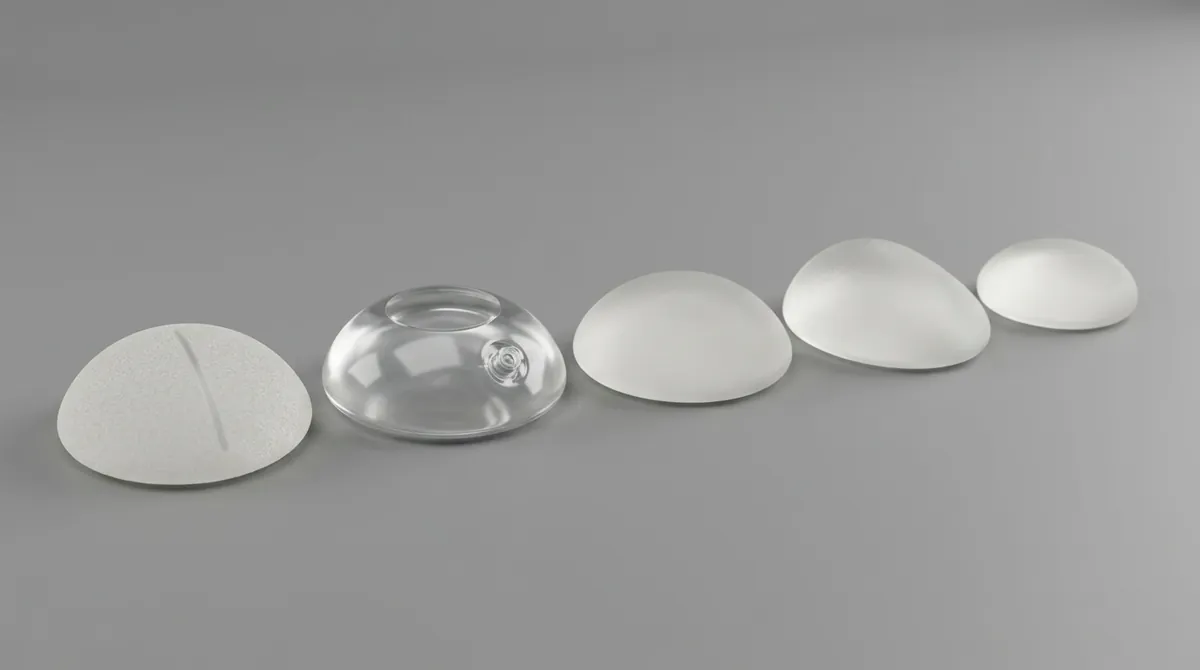
Cost is one of the first practical questions for anyone considering breast implants, and it is also one of the most variable. Cosmetic breast augmentation is not funded by the NHS — except where it forms part of medically necessary reconstruction — so the great majority of patients pay privately. As a broad guide, UK breast augmentation typically costs in the region of £4,000–£8,000, with many straightforward procedures falling around £5,000–£7,000. Where you sit in that range depends on a number of factors.
What drives the price
- Surgeon's experience and reputation. Highly experienced specialist plastic surgeons typically charge more — and that experience is worth paying for.
- The hospital or facility. Costs differ between CQC-registered private hospitals.
- The implants. Different brands and types vary in price.
- Complexity. A lift, asymmetry correction, or revision adds time and cost.
- Region. London and the South East tend to be more expensive than other parts of the UK.
- What's included. Aftercare, follow-up and revision cover differ between providers, which can make a cheaper-looking quote more expensive overall.
What a quote should include
A transparent quote should clearly set out the full cost of your care. Look for:
- The surgeon's and anaesthetist's fees.
- The implants themselves.
- The hospital or theatre stay.
- Standard aftercare and follow-up appointments.
- The post-surgical support bra and dressings.
- A clear statement of the revision/complication policy.
Ask specifically what happens — and what it would cost — if you needed further surgery for a complication. A good provider answers this clearly.
What may cost extra
Be alert to items that are sometimes outside the headline price: the initial consultation fee, additional procedures such as a lift or fat transfer, treatment of any complications, and longer-term revision or replacement down the line. Because implants are not lifetime devices, it is wise to budget not just for today's surgery but for the possibility of future surgery.
Finance and paying
Many clinics offer finance through regulated lenders, often spread over one to five years, sometimes with interest-free introductory periods. Finance can make surgery more accessible, but never let a financing deadline pressure you into rushing an irreversible decision. Check the total amount repayable, the APR and any early-repayment terms, and ensure the lender is FCA-regulated. See finance options.
Why the cheapest option can cost more
With surgery, the lowest price is not always the best value. Very low quotes can reflect less experienced surgeons, high-volume models, limited aftercare or hidden extras. The same applies to surgery abroad ("cosmetic tourism"), which can look cheaper but carries real risks: limited follow-up once you are home, difficulty and expense managing complications in the UK, and variable regulation. If a UK revision is later needed to correct overseas surgery, the total cost can far exceed any initial saving. See is cheap surgery worth it?
Comparing clinics fairly
To compare quotes properly, compare like for like: the surgeon's qualifications and experience, the facility, the implant, and exactly what the price covers — not just the bottom-line figure. Prioritise a surgeon on the GMC Specialist Register, a CQC-registered hospital, clear aftercare and honest advice. That combination is what protects both your result and your safety.
Frequently asked questions
Does the NHS pay for breast implants?
No, not for cosmetic breast enlargement. The NHS only funds implants as part of medically necessary reconstruction (for example after mastectomy) in eligible cases. Cosmetic augmentation is paid for privately.
Why are some quotes so much cheaper?
Lower prices can reflect less experienced surgeons, high-volume clinics, limited aftercare or items left out of the headline figure. Always check what is included and compare like for like rather than on price alone.
Is it cheaper to have surgery abroad?
It can appear cheaper, but cosmetic tourism carries real risks: limited follow-up once home, difficulty and cost managing complications in the UK, and variable regulation. Factor in the potential cost of UK revision before deciding.