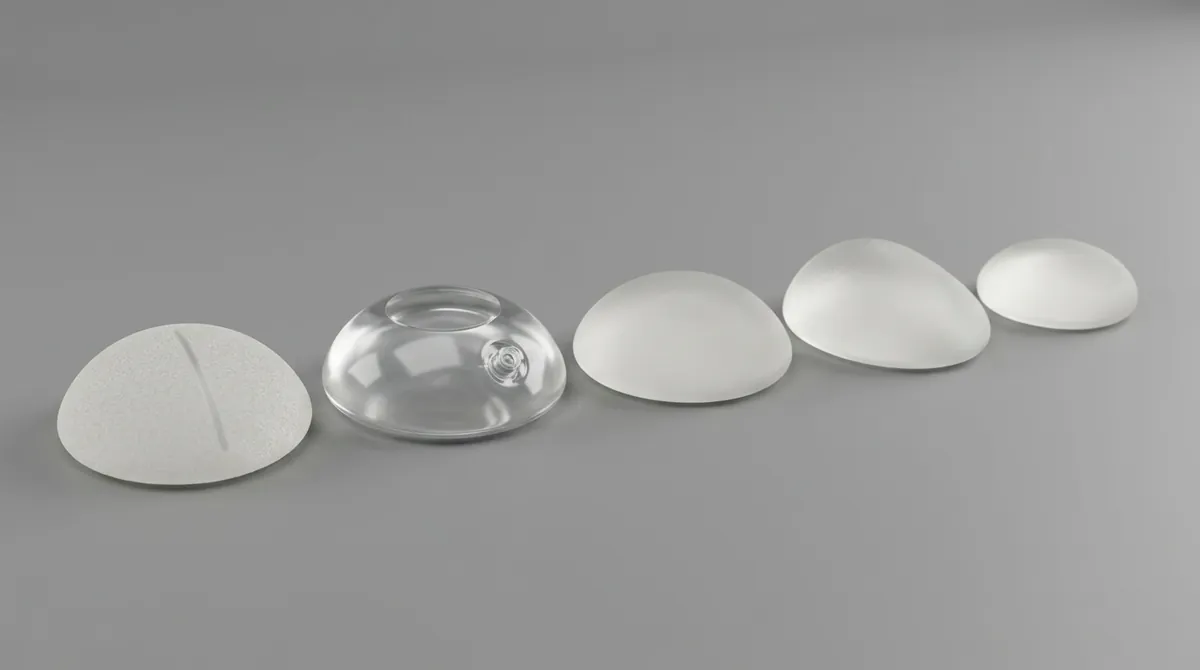
"Are breast implants safe?" is the question almost every patient asks first, and it deserves a careful, honest answer rather than reassurance or alarm. The short version is this: breast implants are among the most studied medical devices in the world, the great majority of people who have them do not experience serious problems, and they meet strict regulatory standards before they can be used in the UK. At the same time, no implant is entirely risk-free, implants are not lifetime devices, and there are some rare conditions specifically associated with them. Safety, in other words, is best understood as a balance of benefits and risks that is personal to you.
How breast implants are regulated in the UK
In the UK, breast implants are regulated as medical devices by the Medicines and Healthcare products Regulatory Agency (MHRA). Before an implant can be placed on the market it must meet strict requirements for safety and quality, and manufacturers and surgeons are expected to report adverse incidents. The MHRA can issue device alerts, request product withdrawals, and publish guidance as new evidence emerges.
The UK also runs a national Breast and Cosmetic Implant Registry. This central record stores the make, model and batch of the implants used, along with patient details and the surgeons and organisations involved. Its purpose is patient safety: if a particular implant is ever recalled or linked to a safety concern, affected patients can be traced and informed. Asking your surgeon to register your implants — and keeping your own implant card — is a simple, important step.
The recognised risks of surgery
Breast augmentation is surgery, and all surgery carries general risks. These include bleeding (and the specific early risk of a haematoma), infection, problems with wound healing and scarring, the risks of general anaesthesia, and altered nipple or breast sensation. Most of these are uncommon and manageable, and good surgical technique — sterile no-touch insertion, careful control of bleeding and appropriate antibiotics — reduces them further.
Implant-specific risks
Beyond the general risks of surgery, implants bring their own considerations:
- Capsular contracture — the scar capsule that naturally forms around an implant can thicken and tighten, causing firmness, distortion or pain. It is one of the most common reasons for further surgery.
- Rupture — the shell can tear, and this becomes more likely the longer an implant is in place. With cohesive silicone gel a rupture can be "silent", which is why imaging is sometimes recommended.
- Rippling, malposition, bottoming out and other shape or position problems, which can require revision.
- The likely need for future surgery — because implants are not lifetime devices, a proportion of patients will need revision or replacement at some point.
Rare conditions associated with implants
BIA-ALCL
Breast Implant-Associated Anaplastic Large Cell Lymphoma (BIA-ALCL) is a rare cancer of the immune system — not a breast cancer — that develops in the fluid and capsule around an implant. It has been linked predominantly to textured implants, with the risk from smooth implants appearing very low. The MHRA tracks UK cases through the registry, and the reported rate is low relative to the number of implants used. Crucially, when caught early BIA-ALCL is usually very treatable, often by removing the implant and capsule. The key warning sign is new, late swelling of one breast.
BIA-SCC and other reports
A very small number of cases of squamous cell carcinoma in the implant capsule (BIA-SCC) have been reported worldwide. It is far rarer and less understood than BIA-ALCL, and regulators continue to monitor.
"Breast implant illness"
Some people report a cluster of systemic symptoms — fatigue, joint aches, brain fog and others — which they attribute to their implants, often termed breast implant illness (BII). The MHRA's position is that there is currently no single recognised disease that explains these symptoms, and it is not established whether implants cause them. Research is ongoing, and patients' experiences are taken seriously even where the mechanism is unclear.
How to reduce your risk
You can meaningfully influence your own safety:
- Choose a surgeon on the GMC Specialist Register for plastic surgery, operating in a CQC-registered hospital.
- Discuss implant surface and type, given the link between texture and BIA-ALCL.
- Stop smoking before and after surgery to support healing.
- Keep your implant details, attend follow-up, and continue routine breast screening (telling staff you have implants).
- Learn the signs that warrant review — new lumps, firmness, pain, or one-sided swelling, especially late on.
Frequently asked questions
Are breast implants linked to breast cancer?
Implants are not known to cause breast cancer. The rare implant-associated cancer BIA-ALCL is a lymphoma (a cancer of the immune system), not breast cancer. Implants can make mammograms harder to read, so additional imaging views are used — always tell the radiographer you have implants.
Do I need my implants removed if they are textured?
Routine removal of textured implants is not generally recommended in the absence of symptoms. The overall risk of BIA-ALCL remains low. Be aware of the warning signs — particularly new, late one-sided swelling — and seek review if they appear.
How often should implants be checked?
Attend the follow-up your surgeon arranges, stay aware of changes, and continue routine breast screening. Because silicone rupture can be silent, some guidance suggests periodic MRI or ultrasound — discuss the right approach for you.